
Discover
ContiCure
Effortless Pelvic Floor Strengthening in Canada
Non-invasive magnetic therapy that strengthens your pelvic floor in just 20–30 minutes. No effort. No probes. Life-changing relief from incontinence.
Discover
ContiCure
Effortless Pelvic Floor Strengthening
in Canada
Non-invasive magnetic therapy that strengthens your pelvic floor in just 20–30 minutes. No effort. No probes. Life-changing relief from incontinence.

Urinary Incontinence
Affects Millions of Canadians – but it doesn’t have to control your Life.
• Stress, urge, or mixed incontinence
• Postpartum leaks
• Weak pelvic floor after menopause or prostate issues
• Embarrassment that stops you from laughing, exercising, or living fully
Urinary Incontinence
Affects Millions of Canadians – but it doesn’t have to control your Life.
• Stress, urge, or mixed incontinence
• Postpartum leaks
• Weak pelvic floor after menopause or prostate issues
• Embarrassment that stops you from laughing, exercising, or living fully
Kegels help some people… but most can’t do them correctly or consistently.
ContiCure does the work for you!
Thousands of supramaximal contractions per session.
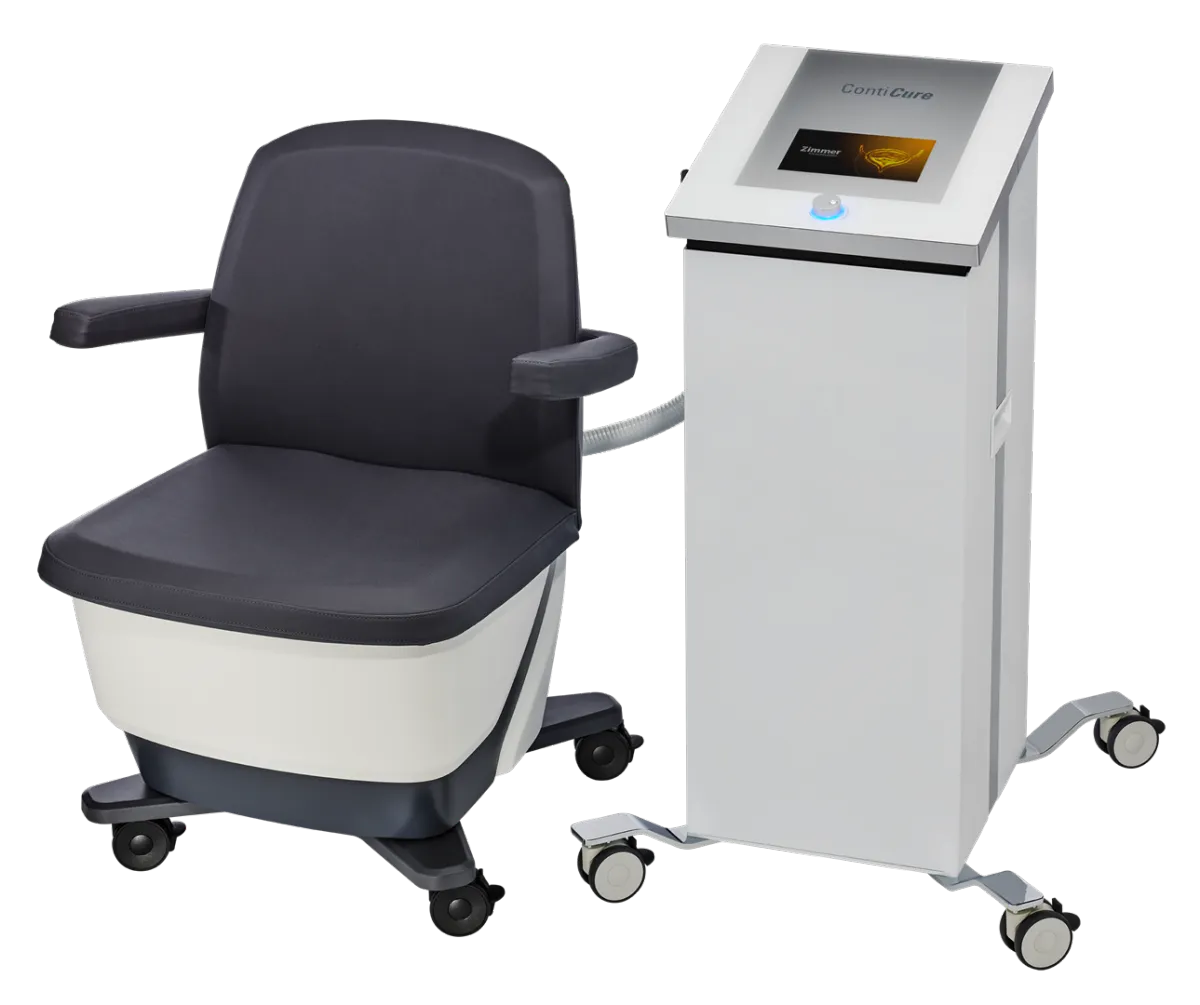
What Is ContiCure?
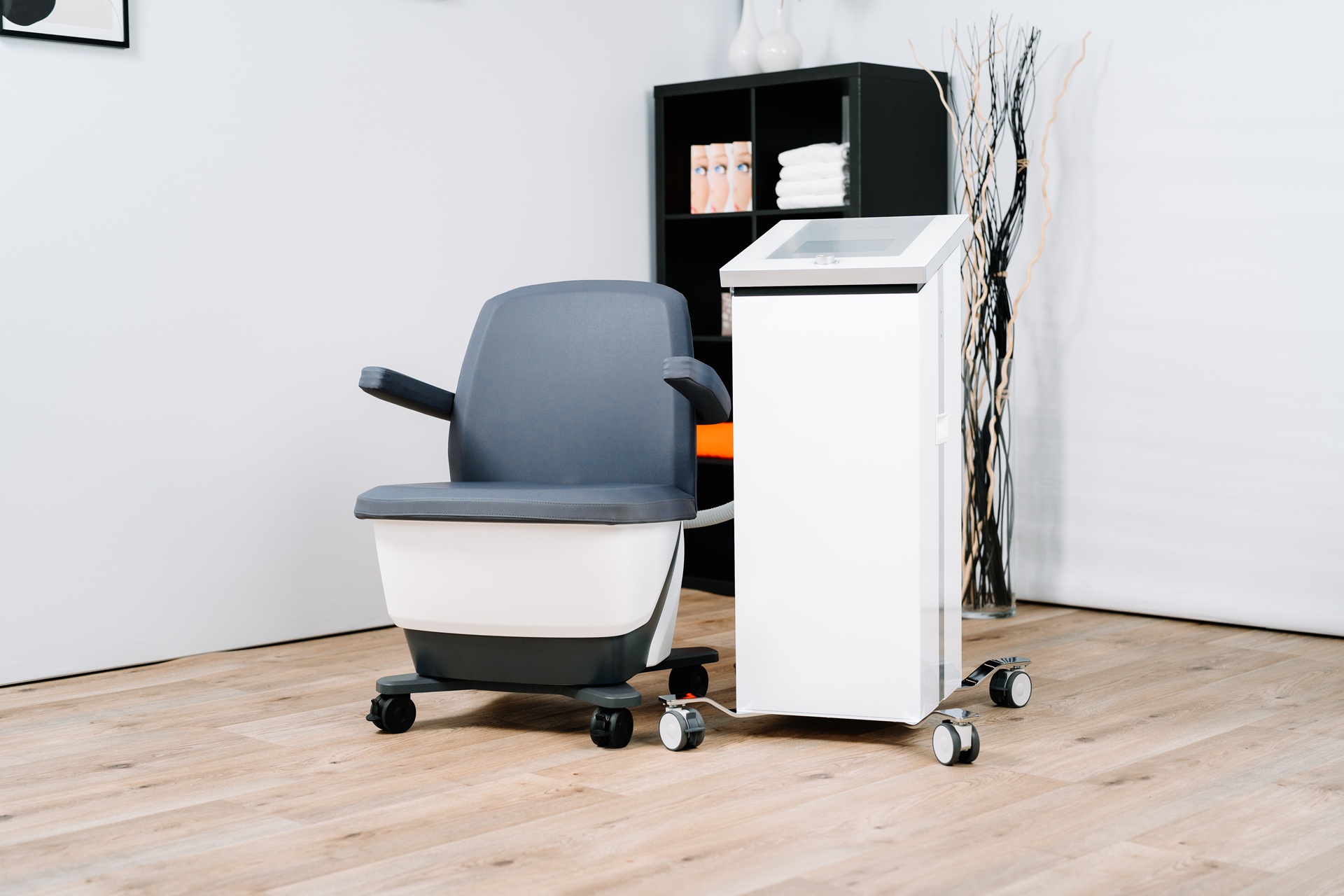
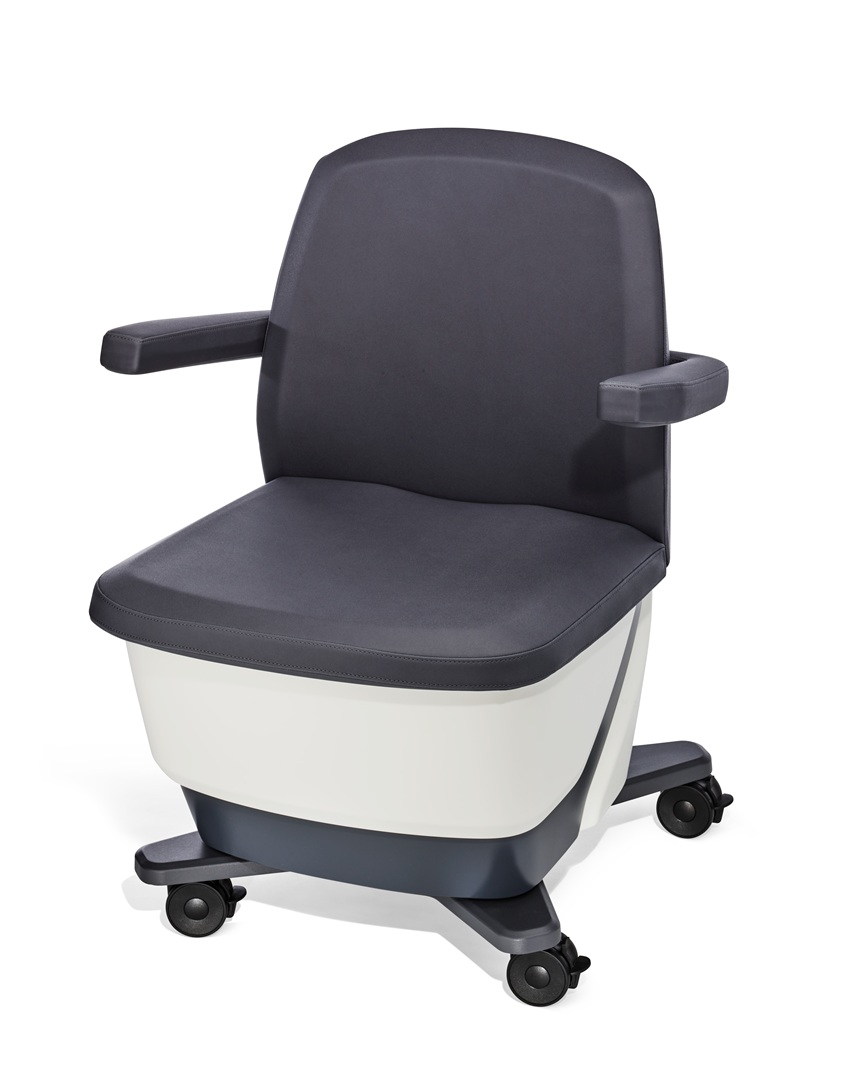
ContiCure is a revolutionary, non-invasive medical chair that uses focused electromagnetic fields to stimulate and strengthen the entire pelvic floor – deep muscles most people can’t reach with regular exercise.
Key Facts
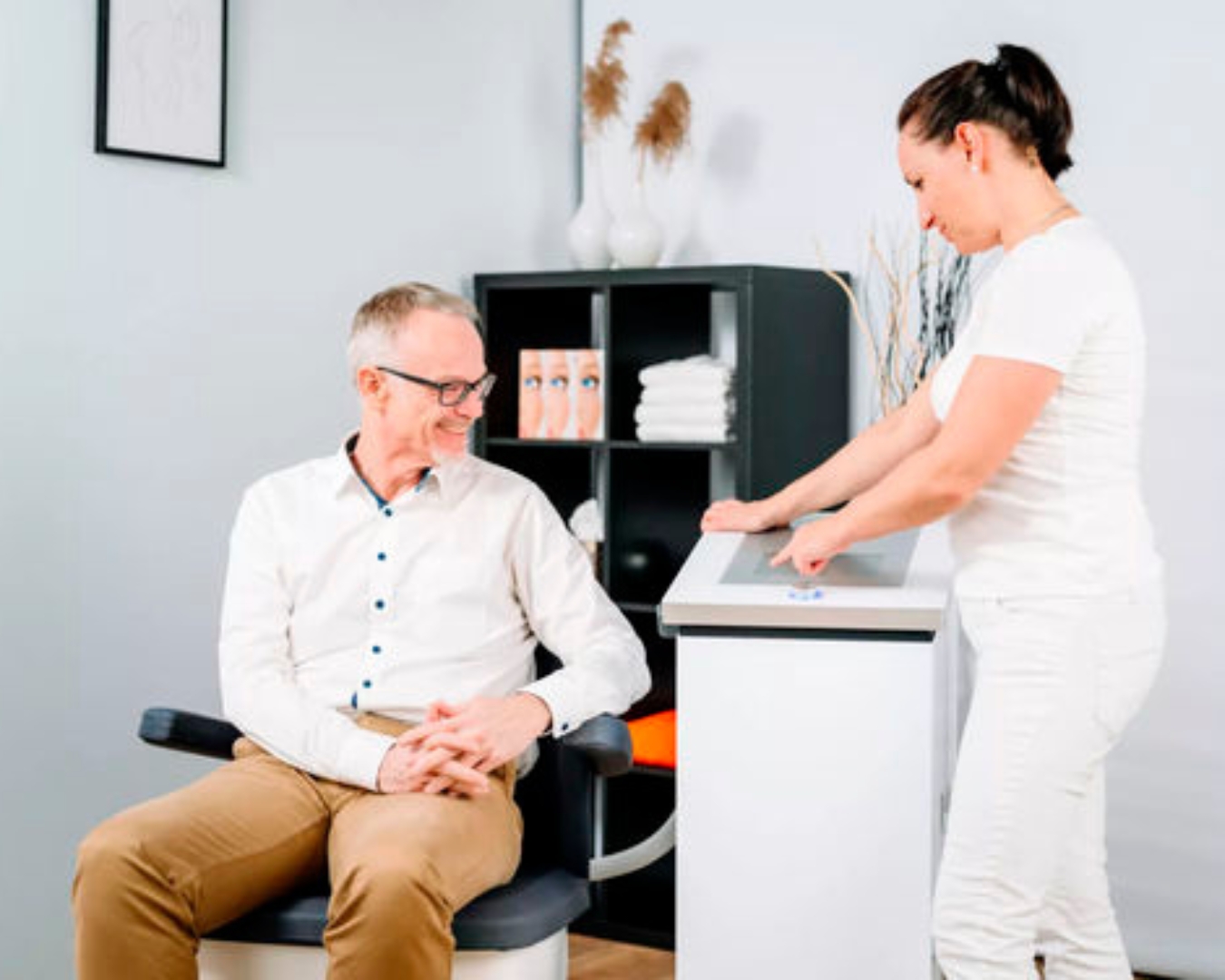
Sit fully clothed – no undressing, no probes
20–30 minute sessions
8–12 sessions for lasting results
Painless & comfortable (most feel a gentle tapping)
Works for both women and men
What Is ContiCure?
ContiCure is a revolutionary, non-invasive medical chair that uses focused electromagnetic fields to stimulate and strengthen the entire pelvic floor – deep muscles most people can’t reach with regular exercise.
Key Facts
Sit fully clothed – no undressing, no probes
20–30 minute sessions
8–12 sessions for lasting results
Painless & comfortable (most feel a gentle tapping)
Works for both women and men
How does ContiCure Works?
Zero Effort. Maximum Results.
Step-by-step
1. You sit comfortably on the ContiCure chair (fully clothed).
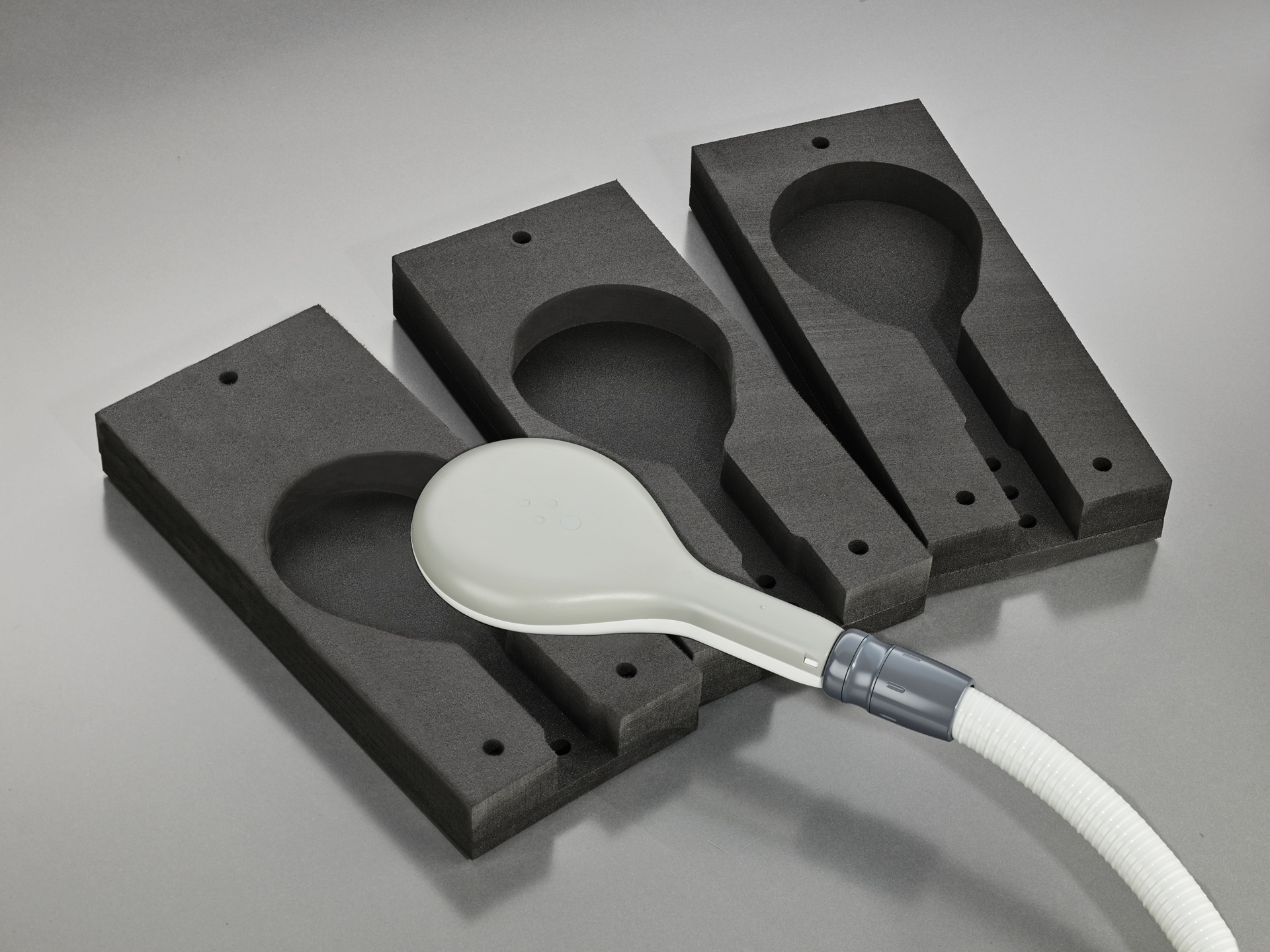
2. The electromagnetic applicator under the seat creates a targeted magnetic field.
3. This field induces thousands of powerful, supramaximal pelvic floor contractions – far stronger than Kegels.
4. Over a full course, muscles regain tone, control, and strength.
How does ContiCure Works?
Zero Effort. Maximum Results.
Step-by-step
1. You sit comfortably on the ContiCure chair (fully clothed).
2. The electromagnetic applicator under the seat creates a targeted magnetic field.
3. This field induces thousands of powerful, supramaximal pelvic floor contractions – far stronger than Kegels.
4. Over a full course, muscles regain tone, control, and strength.
Benefits of ContiCure
Regain Confidence. Reclaim Your Life.

Stop leaks when coughing, sneezing, laughing, or exercising

Reduce sudden urges and bathroom trips

Faster postpartum recovery

Improved intimate health & sensation

Better core strength and posture (bonus!)

No downtime – walk out and continue your day
Testimonials
Real patients. Real results. Hear what people who have experienced ContiCure have to say.
By the Numbers
16+
Years in Aesthetic & Medical Equipments
48+
Canadian Clinics Using ContiCure
3,200+
Patients Treated with 93% Satisfaction
80–90%
of patients report
significant improvement after 8–12 sessions
GALLERY
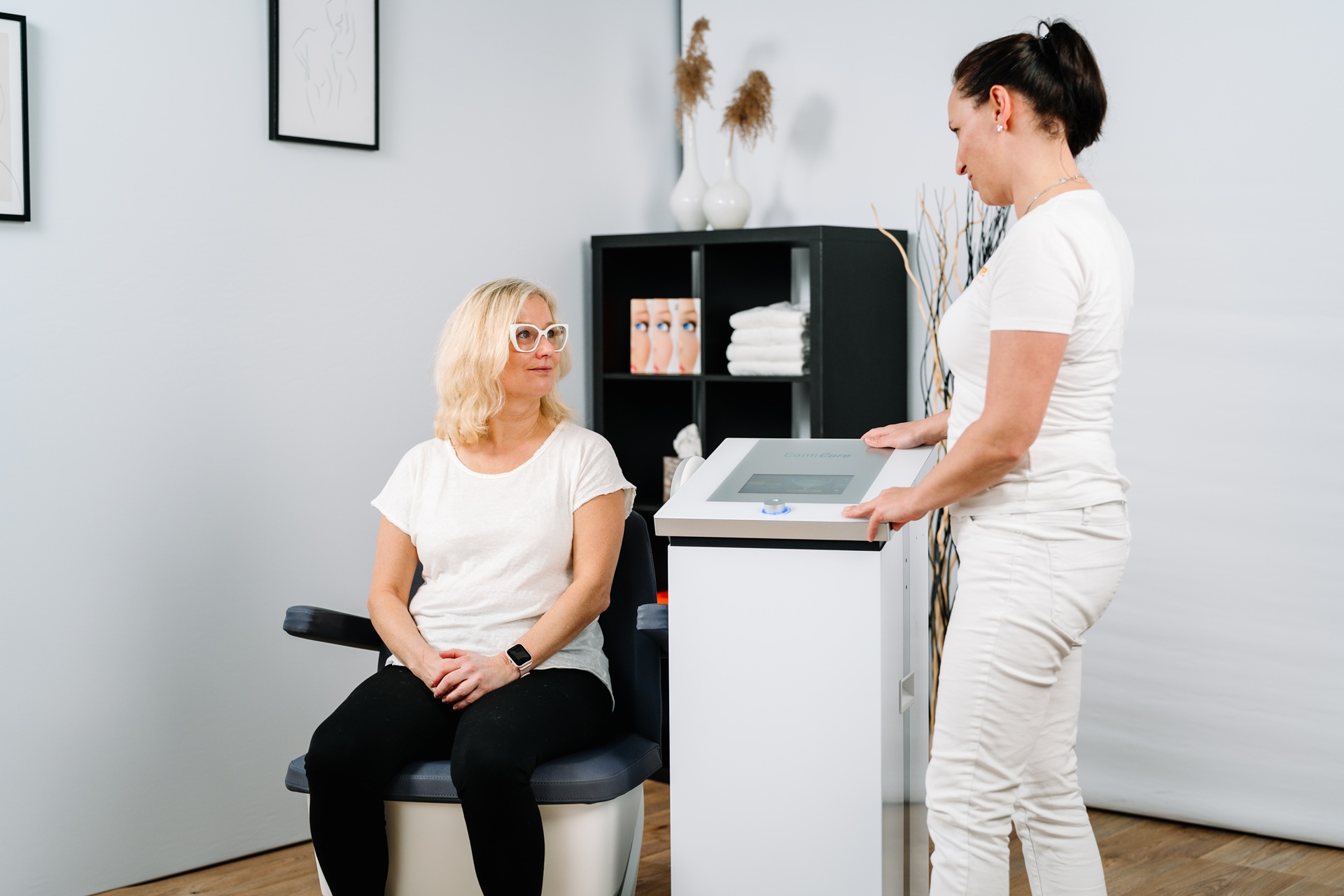
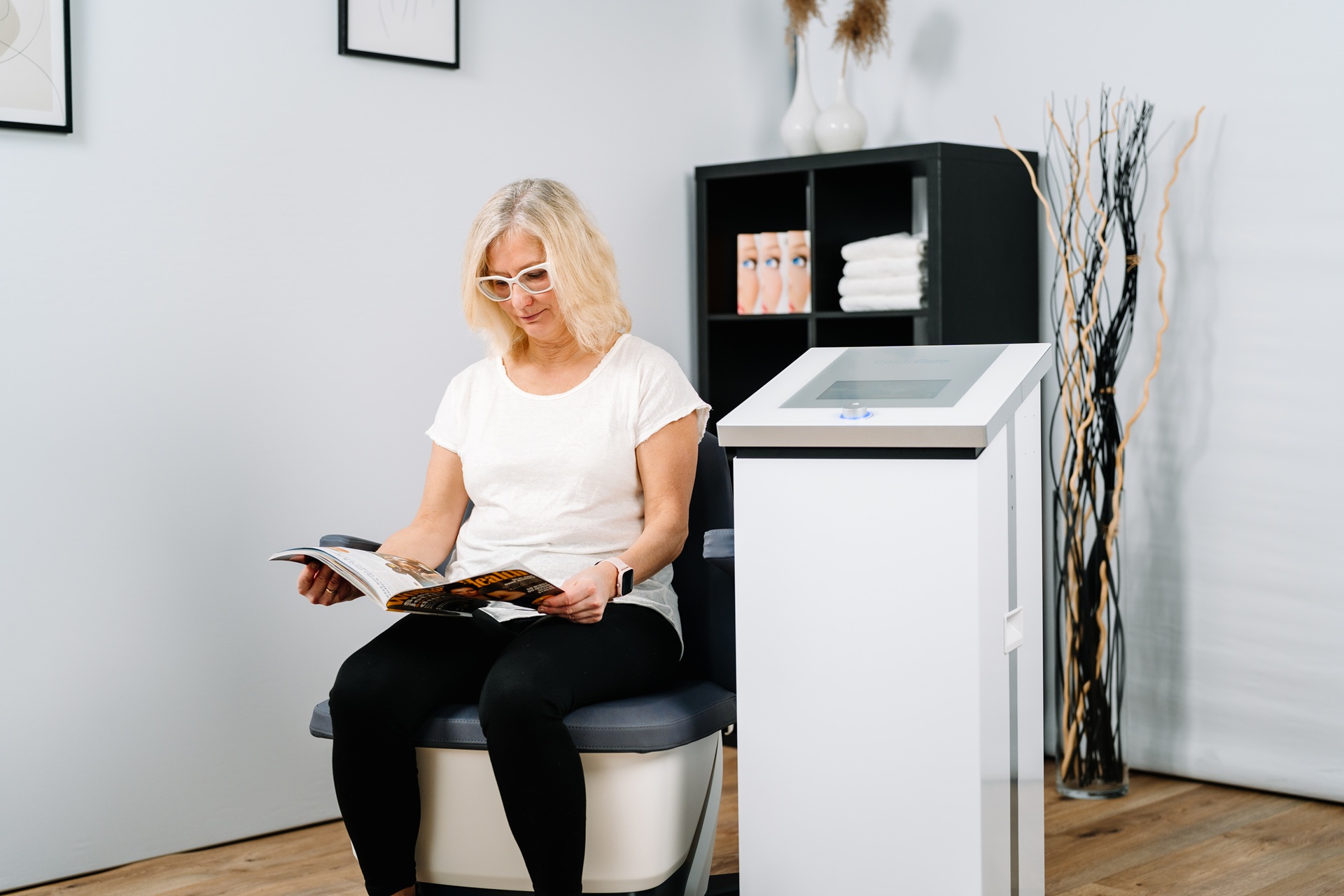
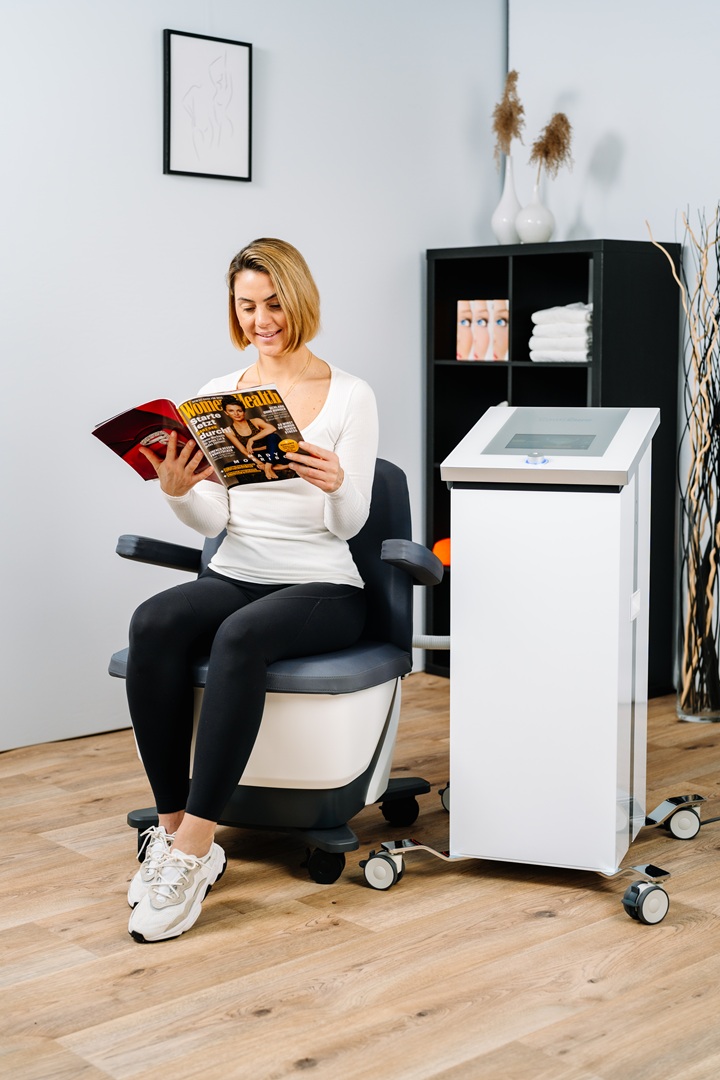
GALLERY
Frequently Asked Questions
What is ContiCure?
ContiCure is a non-invasive medical device developed by Zimmer MedizinSysteme GmbH in Germany. It uses focused electromagnetic (magnetic field) therapy to strengthen the pelvic floor muscles and treat urinary incontinence. Patients sit fully clothed on a specially designed chair while the device delivers targeted stimulation. It is CE-marked as a medical device and is used in clinics for both therapeutic and preventive purposes.
How does ContiCure work?
The chair contains a large electromagnetic applicator under the seat. During a 20–30 minute session, it generates a high-frequency magnetic field (up to 60 Hz) that penetrates the pelvic area and induces thousands of involuntary, supramaximal contractions in the pelvic floor muscles — including deep muscle groups that are often difficult to activate with voluntary exercises. These contractions strengthen muscle tone, improve coordination, and help restore bladder control over a full treatment course.
Is the treatment painful?
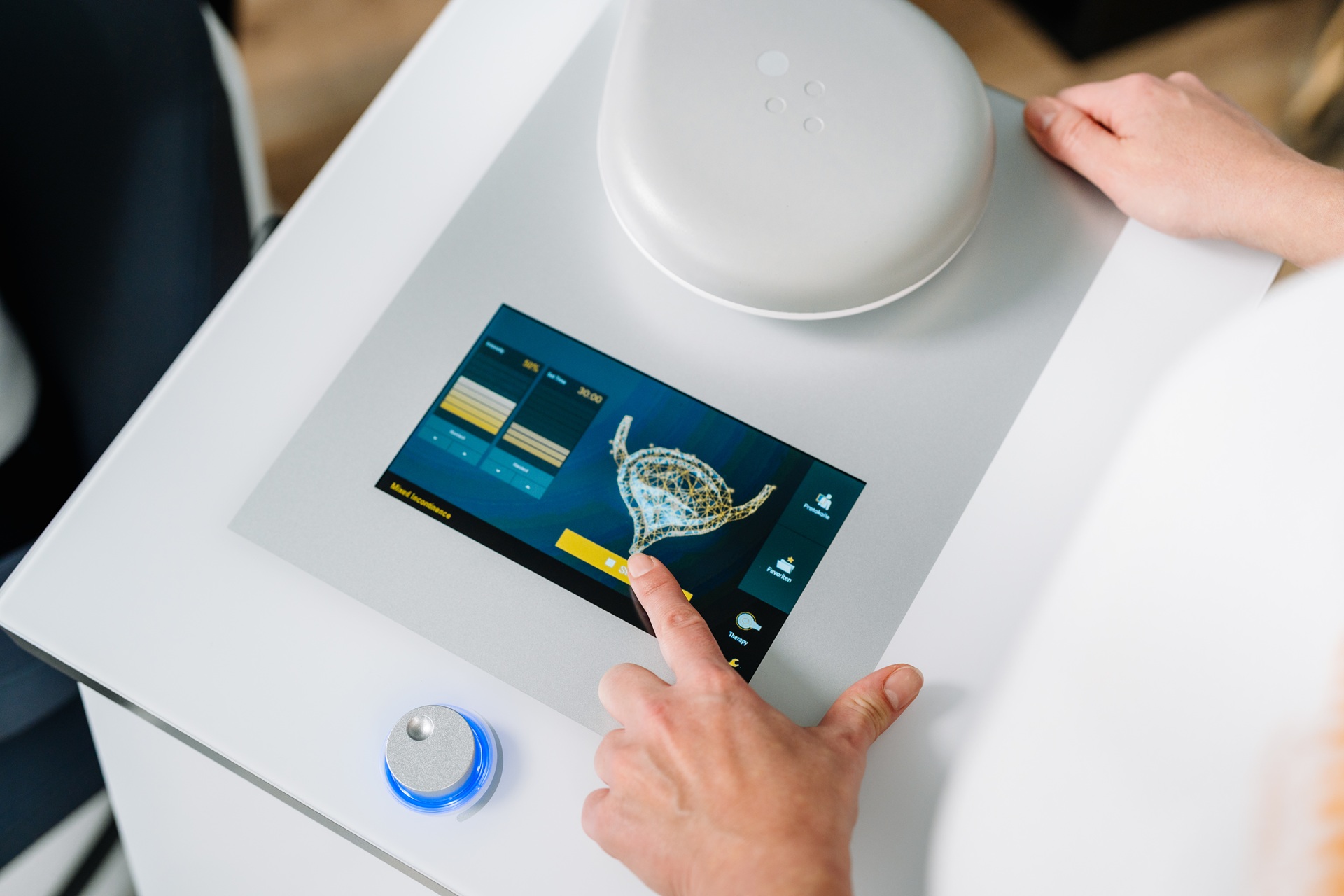
No. The treatment is painless and comfortable for the vast majority of patients. Most people describe the sensation as a gentle tapping, tingling, or strong muscle contraction — similar to a very intense but tolerable workout. Intensity is adjustable in real time based on your feedback.
How long are sessions and how many do I need?
Each session lasts 20–30 minutes. A typical recommended course is 8–12 sessions, usually scheduled 2–3 times per week. Some patients notice improvement after the first few sessions, but the best and most lasting results generally appear after completing the full series. Your clinician will customize the exact number and frequency based on your needs.
Who is ContiCure suitable for?
It is designed for adults experiencing stress incontinence, urge incontinence, mixed incontinence, or those wanting to prevent pelvic floor weakness. It is suitable for women (including postpartum recovery — often starting earlier than traditional Kegels) and men (including post-prostate issues). It is also used for general pelvic floor strengthening in older adults.
Can men use ContiCure?
Yes. ContiCure is approved and effective for both women and men. It works the same way for male pelvic floor muscles and is commonly used to help with post-prostatectomy incontinence or general pelvic floor weakness.
Is ContiCure safe? Are there any side effects?
Yes, it is considered safe when used according to guidelines. Clinical studies on similar magnetic pelvic floor stimulation technology report high safety with only mild, temporary side effects (if any), such as slight muscle soreness similar to after a workout. No serious adverse events are typically reported. As with any electromagnetic device, clinics screen patients for contraindications before treatment.
What are the contraindications for ContiCure?
Standard contraindications for magnetic stimulation devices include:
• Implanted electronic devices (e.g., pacemakers, defibrillators)
• Metal implants in the pelvic or lower abdominal area
• Pregnancy
• Certain neurological conditions or active malignancies in the treatment area Your clinician will review your medical history to ensure it is safe for you.
How does ContiCure compare to traditional Kegel exercises?
Kegel exercises are excellent when performed correctly and consistently, but many people find them difficult to do properly or maintain long-term. ContiCure provides thousands of supramaximal contractions per session (far more intense and consistent than voluntary Kegels) and also activates deep, often under-used muscle fibers. It is frequently described as “Kegels on steroids” without the effort or guesswork.
How does ContiCure compare to the Emsella chair?
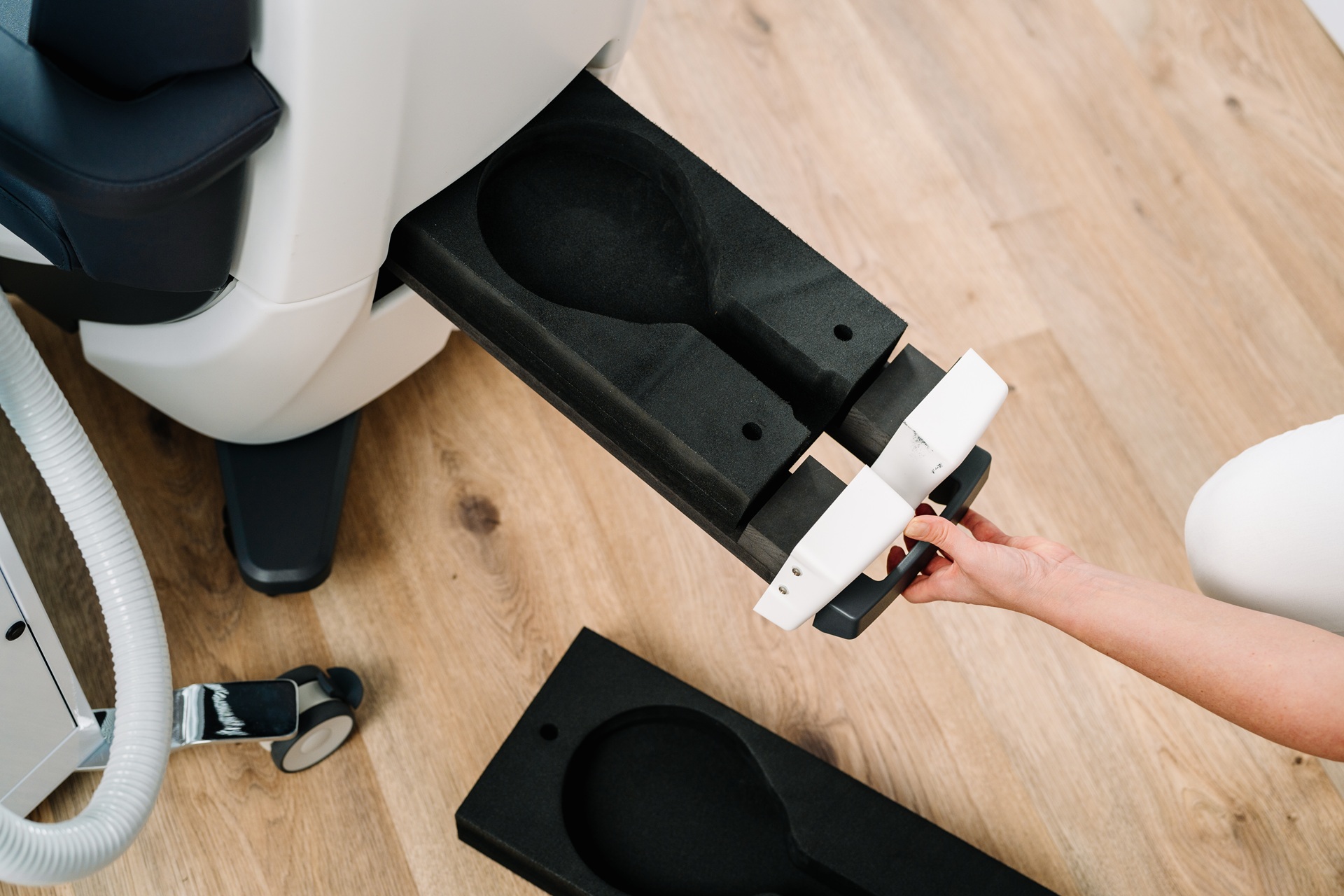
Both ContiCure and Emsella use high-intensity focused electromagnetic (HIFEM) technology to stimulate the pelvic floor. ContiCure is Zimmer’s German-engineered version with intuitive touchscreen controls, four pre-set expert protocols (stress, urge, mixed incontinence, and general training), and interchangeable seat inlays for different body sizes. The clinical outcomes and patient experience are very similar. The main differences are branding, design details, and local support.
When will I see results?
Many patients report feeling stronger pelvic floor control and fewer leaks within the first few sessions. Optimal, longer-lasting results usually appear 2–4 weeks after completing the full course (8–12 sessions). Individual results vary depending on the severity of incontinence and overall health. Some clinics combine ContiCure with pelvic floor physical therapy for even better outcomes.
For clinic owners: What are the business benefits of offering ContiCure?
ContiCure is a hands-off, high-patient-satisfaction treatment that runs itself once the patient is seated. It attracts new patients seeking non-invasive incontinence and intimate-health solutions, supports excellent ROI (many clinics report recouping investment within months), requires minimal staff time, and comes with pre-set protocols and full training/support from Boost Medical Canada. It also pairs well with other aesthetic or women’s health services.
Is ContiCure covered by insurance in Canada?
Coverage varies by province and individual insurance plans. Most extended health plans do not currently cover magnetic pelvic floor therapy as a standard benefit. Patients typically pay privately. Clinic owners can check with their provincial health regulations for any specific billing codes. We recommend discussing costs directly during your consultation or treatment booking.
Ready to Take the Next Step?

Ready to Take the Next Step?


Assistance Hours
Monday - Friday: 9:00am - 5:00pm
Sunday: Closed
Phone: +1 (647) 871 1393
Email: [email protected]
Location: Toronto, Ontario